Croissant Recipes at Home
Highlighted under: Sugar Bliss
I absolutely love making croissants at home, and it's become one of my favorite weekend rituals. The first time I pulled a golden-brown croissant from the oven, the aroma was intoxicating, and I knew I was hooked. The delicate layers of buttery goodness are unbeatable, and there's something incredibly satisfying about perfecting the folding technique. With a little patience and practice, anyone can enjoy these flaky delights fresh out of the oven. Let's dive into the joy of creating our own croissants at home!
When I first attempted croissant-making, I was completely intimidated by the process. However, after a few tries, I discovered that breaking it down into manageable steps made it so much easier. The key is to ensure your butter stays cold while working the dough, as this is what creates those signature flaky layers. I like to chill my rolling pin and work surface to keep everything perfectly cool.
After perfecting the dough, the smell that wafts through my kitchen while they bake is worth every minute spent! I especially love experimenting with fillings—my favorite being almond paste. It’s these little personal touches that turn a classic recipe into something truly special that I can share with friends and family.
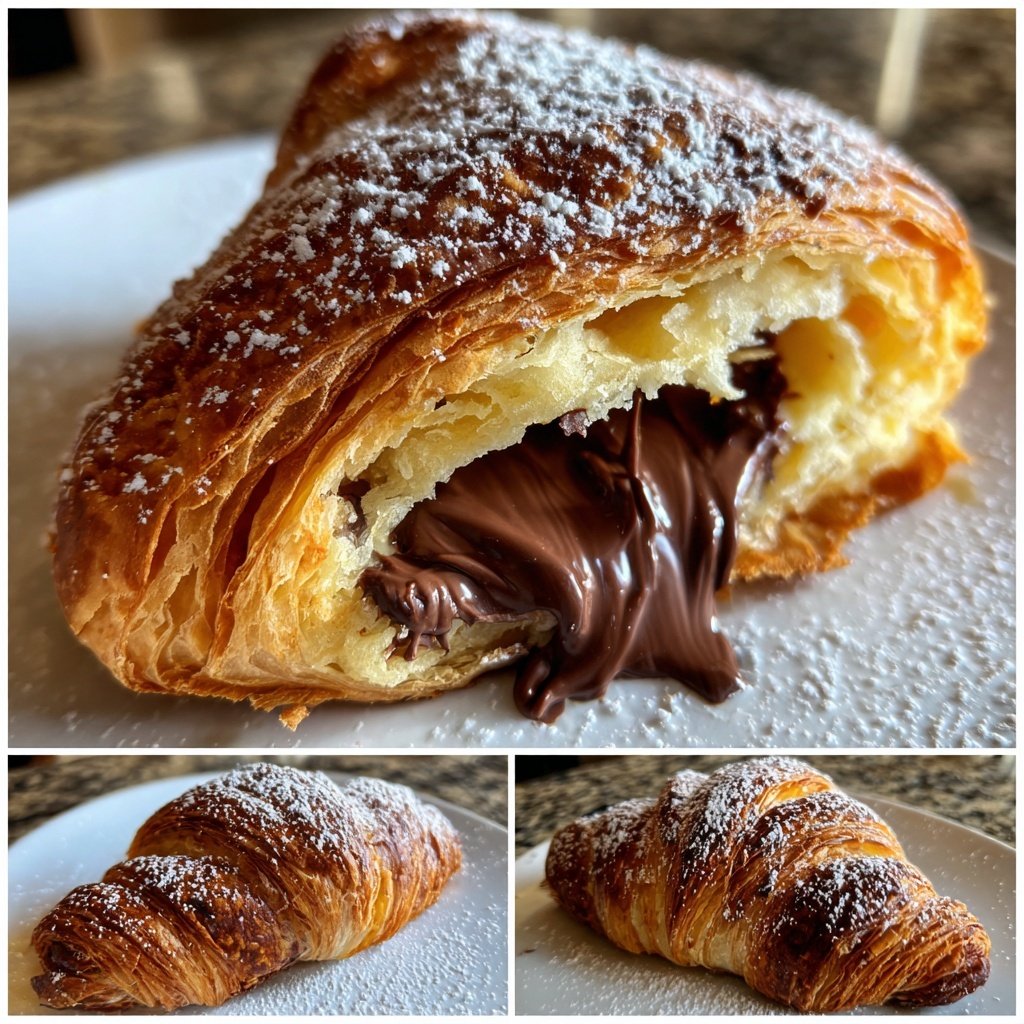
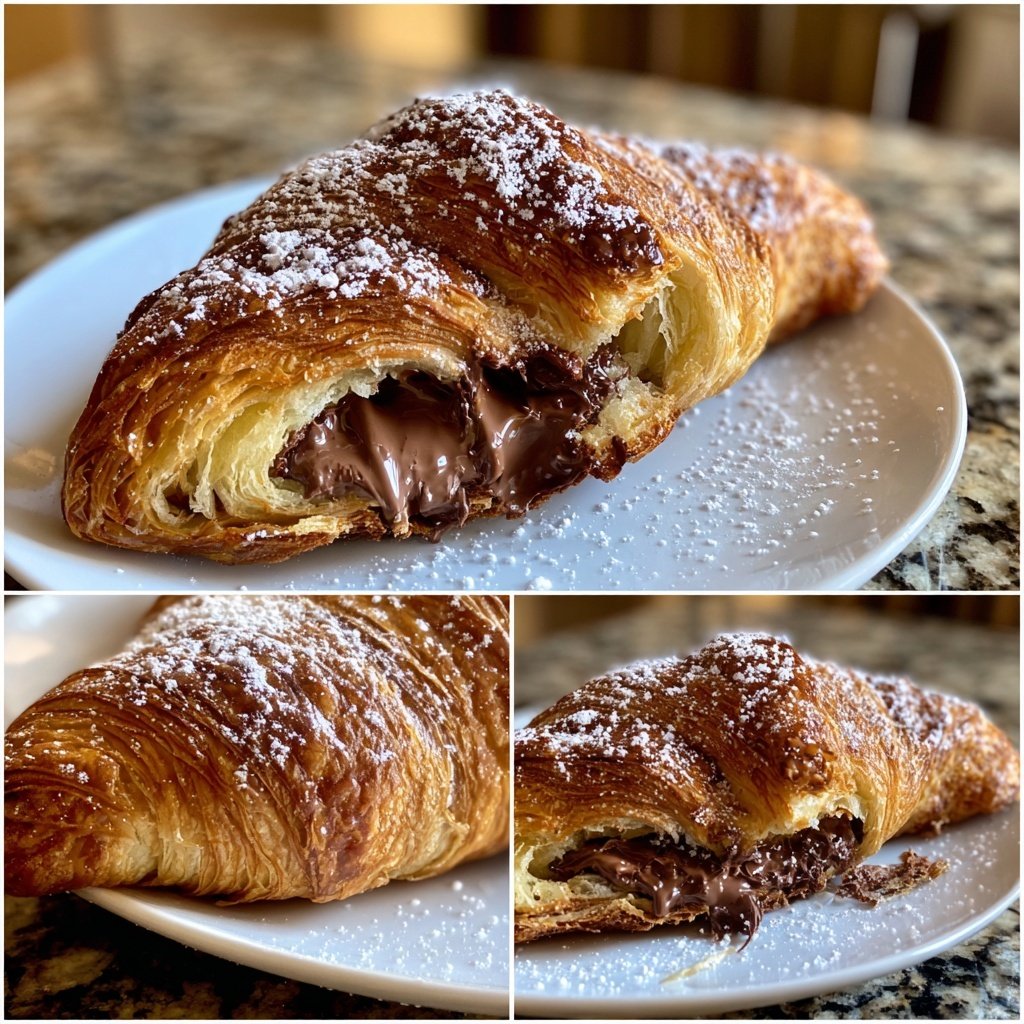
Why You Will Love This Recipe
- A delightful blend of flaky and buttery goodness
- The satisfaction of homemade croissants, tailored to your taste
- Endless possibilities with sweet or savory fillings to explore
Understanding the Dough
The foundation of a perfect croissant lies in the dough. By using a higher protein all-purpose flour, you enhance the dough's strength and structure, allowing for better layering and flakiness. Be sure to knead until the dough feels elastic and smooth; you can test this by stretching a small piece to see if it holds together without tearing. This gluten development is crucial for achieving those characteristic layers when baked.
Resting the dough is not just a passive step. During refrigeration, the gluten relaxes, which makes rolling out the dough more manageable. Be mindful of the resting time—at least 4 hours is recommended, but if you can let it sit overnight, you'll create even more flavor as the dough ferments slightly. Just make sure to cover it well to prevent drying out.
The Lamination Process
Laminating the dough correctly is where the magic happens. The goal is to encase the cold butter in the dough and create those coveted layers. Roll your dough out to a neat rectangle, ensuring even thickness, and place the butter block in the center. As you fold the dough over, it’s crucial to seal the edges to prevent butter from leaking out during the rolling process, which can lead to greasy or uneven croissants.
When folding the dough into thirds, aim for a uniform thickness. If the dough starts to shrink back, let it rest in the fridge for about 10-15 minutes; this will relax the gluten again. Each time you fold and roll, you should see improvement in layering. I recommend performing this lamination process a total of three times for croissants that are truly flaky and airy.
Ingredients
For the Dough
- 500g all-purpose flour
- 10g salt
- 40g granulated sugar
- 10g instant yeast
- 300ml cold water
- 250g unsalted butter (for laminating)
For the Egg Wash
- 1 egg
- 1 tbsp milk
Ensure all ingredients are at room temperature where necessary for best results.
Instructions
Make the Dough
In a large bowl, combine flour, salt, sugar, and yeast. Gradually mix in cold water, kneading until a smooth dough forms. Cover and let it rest in the refrigerator for at least 4 hours.
Prepare the Butter Block
Place the butter between two sheets of parchment paper and roll it into a rectangle about 1cm thick. Refrigerate until firm.
Laminate the Dough
Roll out the rested dough into a rectangle, place the cold butter in the center, and fold the dough over to encase it. Roll out gently, then fold into thirds. Repeat this process twice, chilling for 30 minutes between folds.
Shape the Croissants
Roll the dough into a large rectangle, cut triangles, and roll each triangle starting from the base to the tip. Curve them into a crescent shape and place on a baking sheet.
Proof and Bake
Let the croissants proof until doubled in size. Preheat the oven to 200°C (390°F). Mix egg and milk for the wash, brush over croissants, and bake for 20-25 minutes until golden brown.
Allow the croissants to cool slightly before serving. Enjoy them warm or at room temperature.
Pro Tips
- For the best flaky texture, keep everything cold during preparation. You can also experiment with adding chocolate or almond paste inside for delicious variations.
Storage and Freezing
Croissants, while best enjoyed fresh, can be stored for later indulgence. Once baked, allow them to cool completely before storing. Use an airtight container at room temperature for up to 2 days, but for longer storage, freeze them instead. After cooling, wrap each croissant tightly in plastic wrap and foil, and store in the freezer for up to 2 months. When ready to eat, simply reheat in a preheated oven at 180°C (350°F) for about 10 minutes.
If you prefer to freeze unbaked croissants, you can do so after shaping them. Place them on a baking sheet and freeze until solid, then transfer to a freezer bag. When you're ready to bake, let them proof directly from frozen; this may take about 2-3 hours. The aroma wafting through your kitchen during baking will be worth the wait!
Common Troubleshooting
If your croissants aren't as flaky as expected, it could be due to insufficient lamination. Ensure that the butter is cold and firm during the folding process to maintain its shape and create distinct layers. If the dough becomes too warm, it can lead to butter melting into the dough, which hampers the flakiness. Always chill the dough between folds to combat this issue.
Another common problem is uneven baking, often indicated by pale or undercooked bottoms. To promote even baking, consider using a baking stone or placing a baking sheet upside down on the oven rack. Both techniques can provide better heat distribution. If you notice that your croissants are browning too quickly, you can tent them with foil midway through the baking to prevent burning while ensuring the interior cooks thoroughly.
Questions About Recipes
→ Can I freeze croissants before baking?
Yes, you can freeze the shaped croissants. Just make sure they are individually wrapped and frozen. Bake from frozen, adding a few extra minutes to the baking time.
→ What type of flour is best for croissants?
All-purpose flour works well, but you can also use bread flour for a chewier texture.
→ How do I know when my croissants are done baking?
They should be golden brown and have a firm exterior. You can also tap the bottom; if it sounds hollow, they're ready.
→ Can I use margarine instead of butter?
While margarine may work, butter is key for the best flavor and texture in croissants.
Croissant Recipes at Home
Created by: Quinn Harper
Recipe Type: Sugar Bliss
Skill Level: Intermediate
Final Quantity: 12 croissants
What You'll Need
For the Dough
- 500g all-purpose flour
- 10g salt
- 40g granulated sugar
- 10g instant yeast
- 300ml cold water
- 250g unsalted butter (for laminating)
For the Egg Wash
- 1 egg
- 1 tbsp milk
How-To Steps
In a large bowl, combine flour, salt, sugar, and yeast. Gradually mix in cold water, kneading until a smooth dough forms. Cover and let it rest in the refrigerator for at least 4 hours.
Place the butter between two sheets of parchment paper and roll it into a rectangle about 1cm thick. Refrigerate until firm.
Roll out the rested dough into a rectangle, place the cold butter in the center, and fold the dough over to encase it. Roll out gently, then fold into thirds. Repeat this process twice, chilling for 30 minutes between folds.
Roll the dough into a large rectangle, cut triangles, and roll each triangle starting from the base to the tip. Curve them into a crescent shape and place on a baking sheet.
Let the croissants proof until doubled in size. Preheat the oven to 200°C (390°F). Mix egg and milk for the wash, brush over croissants, and bake for 20-25 minutes until golden brown.
Extra Tips
- For the best flaky texture, keep everything cold during preparation. You can also experiment with adding chocolate or almond paste inside for delicious variations.
Nutritional Breakdown (Per Serving)
- Calories: 300 kcal
- Total Fat: 20g
- Saturated Fat: 10g
- Cholesterol: 45mg
- Sodium: 250mg
- Total Carbohydrates: 30g
- Dietary Fiber: 1g
- Sugars: 3g
- Protein: 6g